Before the first field was ever planted, before the first city, before writing, our ancestors had already done something extraordinary: they had made a friend. Not a tool, not a meal, a companion. The dog was the first animal we ever welcomed into our lives, and the bond is older than agriculture itself.
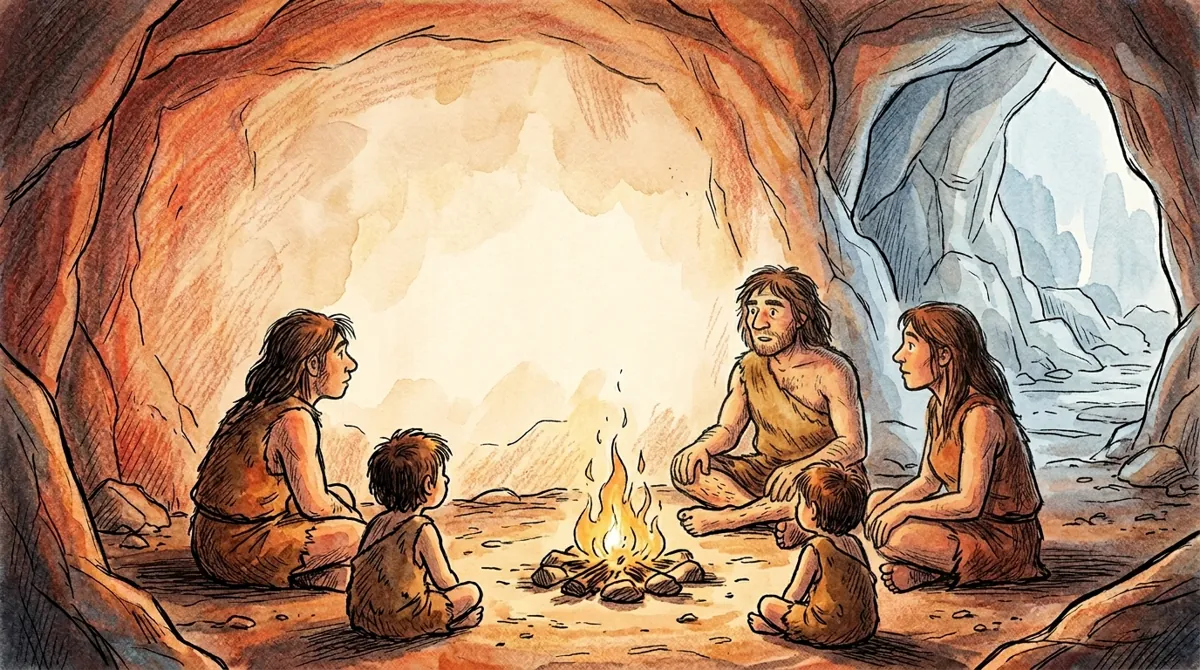
It began, almost certainly, at the edge of the firelight, with a wolf.
The friend before the farm
We tend to assume domestication started with farming, with cows and sheep and grain. But the dog came first, deep in the Ice Age, thousands of years before anyone tended a crop. That ordering matters: the very first creature we bonded with was not livestock. It was a partner for the hunt and a presence by the fire.
A wolf chose us
The leading idea is not that humans captured wolf pups and tamed them by force, but something gentler and stranger: self-domestication. Around human camps lay scraps and bones, and the wolves bold enough, and calm enough, to creep close got fed. Over generations, the friendliest animals thrived, their bodies and temperaments softening. A wolf became a dog partly by choosing us, and we chose it back.
Buried like family
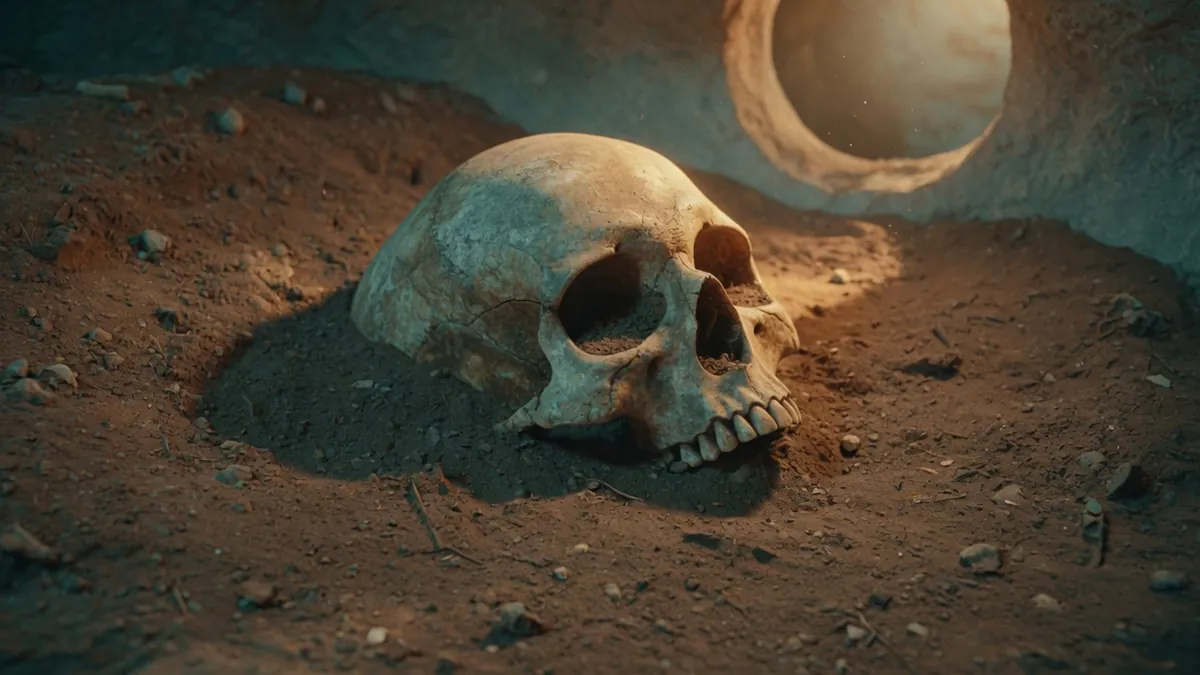
How do we know it was love and not just use? Look at the graves. At a site called Bonn-Oberkassel in Germany, a dog of about fourteen thousand years ago was buried together with two humans. Study of its bones suggests it had survived a serious bout of disease as a young animal, which it could only have done if people nursed it, feeding and caring for a sick puppy that gave them nothing in return but its company. That is not livestock. That is family.
The oldest friendship
From those Ice Age fires, dogs went everywhere we went, across continents and oceans, into deserts and snow. They are woven through almost every human culture on Earth. When you rest a hand on a sleeping dog, you are touching the oldest friendship our species ever made, one that began when a wild animal and a human decided, against every instinct, to trust each other.
Sources & further reading
- Janssens, L. et al. (2018). Reanalysis of the Bonn-Oberkassel dog (~14,000 years): cared for through canine distemper, buried with humans. Journal of Archaeological Science.
- Larson, G. et al. & Frantz, L. et al. Genomic studies on the origin and timing of dog domestication from ancient wolves.
- Reviews of the 'self-domestication' / commensal scavenging model of wolf-to-dog transition.
- Reviews of ancient dog burials and the antiquity of the human-canine bond.
The timing, location and number of dog domestication events are debated; 'self-domestication' is a leading model, not a proven sequence. The Bonn-Oberkassel care interpretation follows the published reanalysis.
Echoes of Dawn — the story of us, before history was written. Watch the episode and subscribe.