Filed under
prehistory
21 stories · all stories
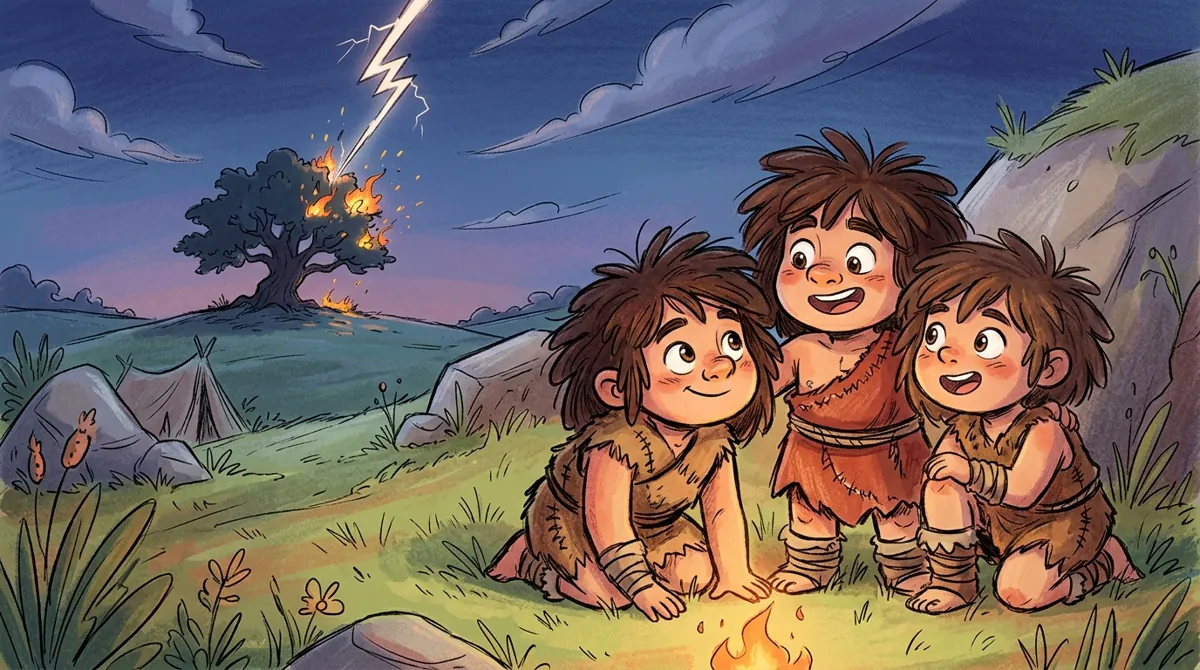
The First Humans Who Stole Fire: From Sparks to the Hearth
Before fire was a simple button, it was a fragile miracle. We examine the archaeological evidence of early fire-use and the breakthrough of fire-making.
What Did Ancient Humans Do at Dawn? Tracking, Fire, and the Morning Strategy
Mornings 50,000 years ago weren't about checking alarms or drinking coffee. We examine savanna tracking, the cooking brain hypothesis, and morning planning.
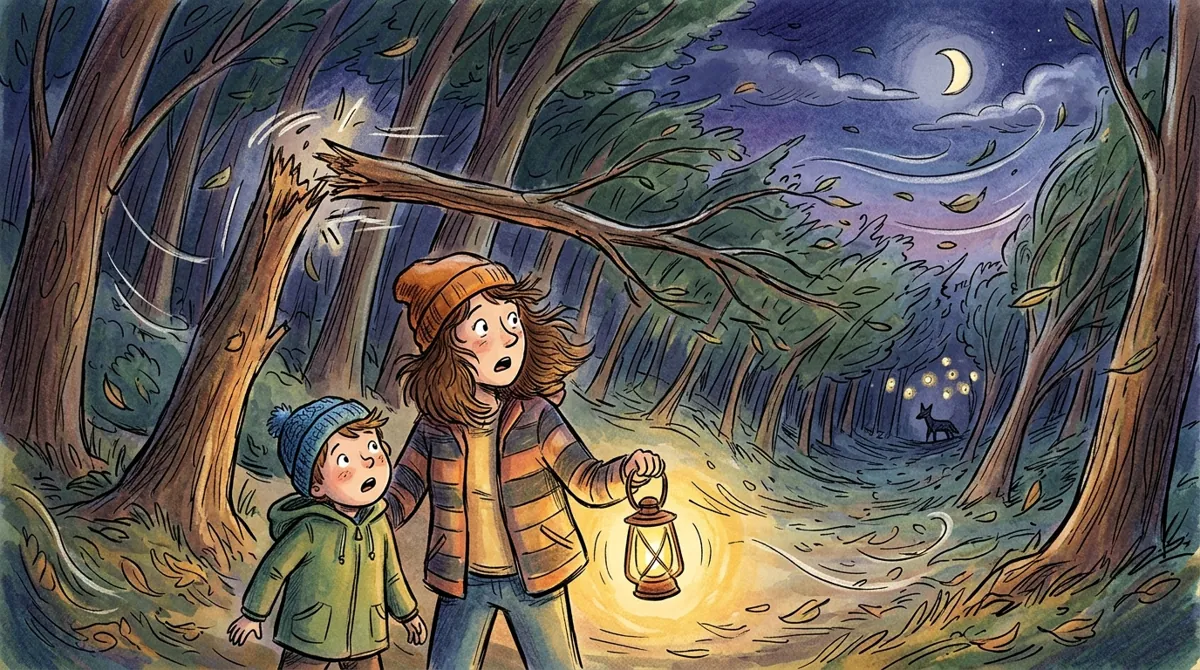
What Did Ancient Humans Do at Night? Sleep, Safety, and the Firelit Stage
For 99% of human history, half of every day was spent in absolute darkness. We explore the sentinel sleep patterns, firelit theater, and prehistoric dreams.

Why Are We the Last Humans on Earth? The Extinction of Our Ancestors
For most of history, multiple human species coexisted on Earth. We examine why they vanished shortly after Homo sapiens arrived and how their DNA lives in us.
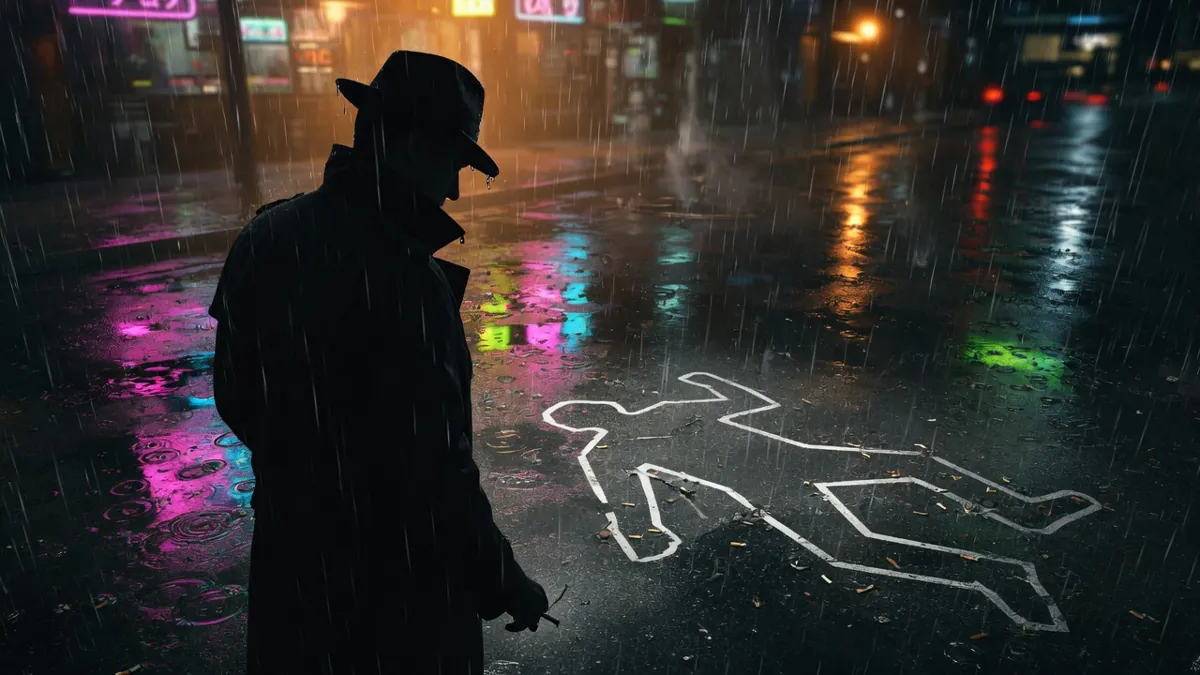
The 5,000-Year-Old Crime Scene: The Weapon We Still Can’t Explain
5,300 years ago, a man was ambushed and killed in the Alps. The killer snapped the arrow shaft to hide his tracks, but left behind a priceless pure copper axe. Here is th
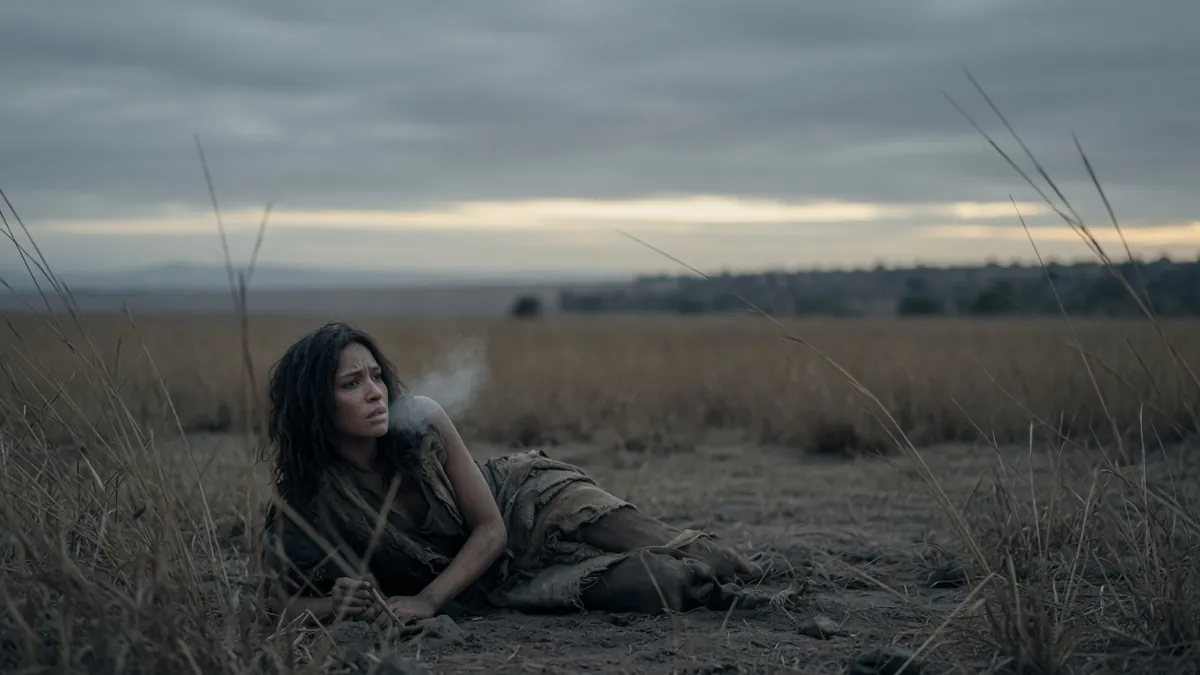
Can You Survive a Day as an Early Human? (Spoiler: It's Brutal)
Could you survive one day as a Pleistocene hunter-gatherer? We run a full day dawn to dark — the prey reality, the deadly water hole, persistence hunting, and fire — grou

What the First Humans Were Actually Terrified Of (And Why You Are Too)
Modern anxiety isn't a breakdown—it's an evolutionary mismatch. Why our Pleistocene threat-detection system (the amygdala) defaults to false alarms, with fossil predation
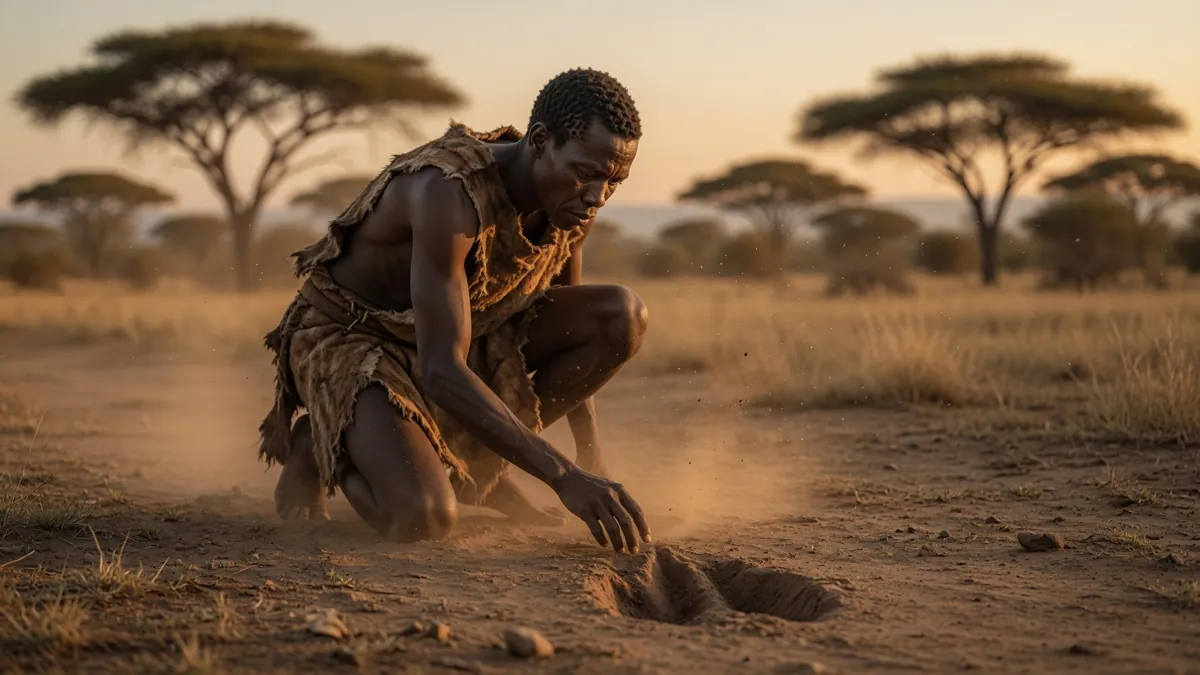
Your Brain Was Built for the Hunt, Not the 8-Hour Workday
The 3 p.m. crash isn't a personal failure, it's an evolutionary mismatch. Why a brain shaped for short bursts of focus and real recovery struggles with the continuous 8-h

Ötzi the Iceman: A 5,300-Year-Old Murder Mystery
In 1991, hikers found a body in the Alps and assumed it was a lost climber. It was Ötzi the Iceman, a 5,300-year-old murder victim. Here is the forensic story — the arrow

Ancient Ball Games: The Pattern Every Culture Followed (Soccer World Cup 2026 Special Edition)
Billions of people watch team sports. But why did human civilizations that had absolutely no contact invent the exact same game of football, again and again?
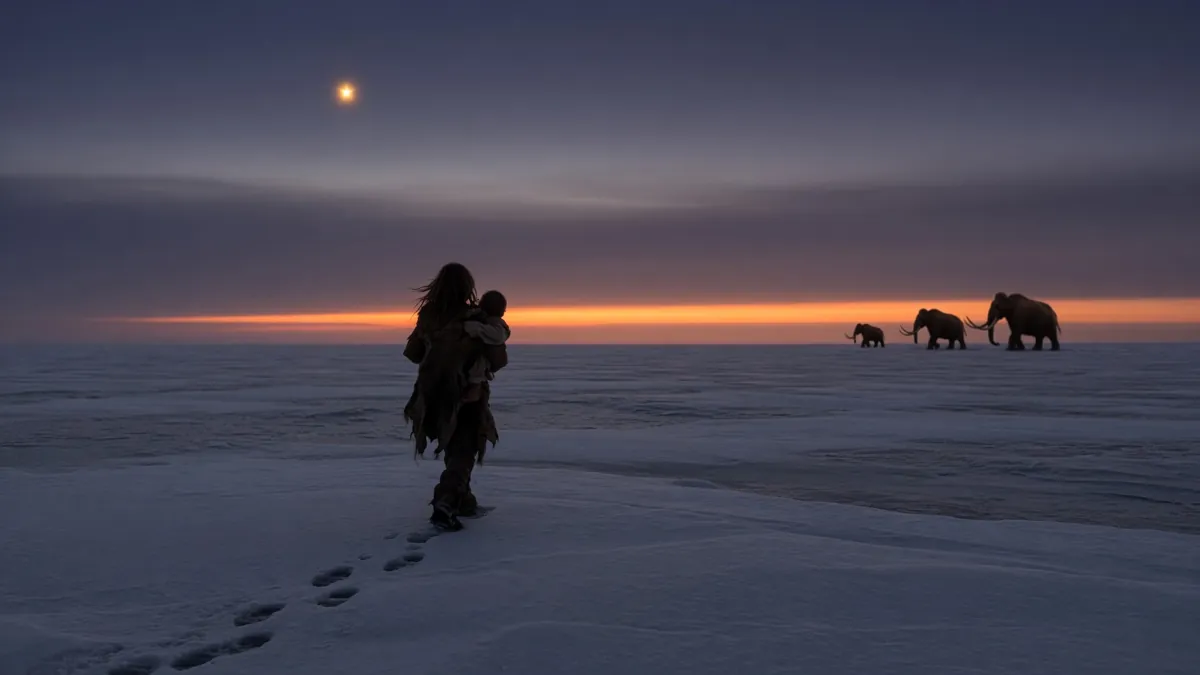
The First Dog: How an Ice Age Wolf Became Our Best Friend
Dogs were our first domesticated companions, born from Ice Age wolves before farming. A 14,000-year-old dog was nursed through illness and buried beside two humans.
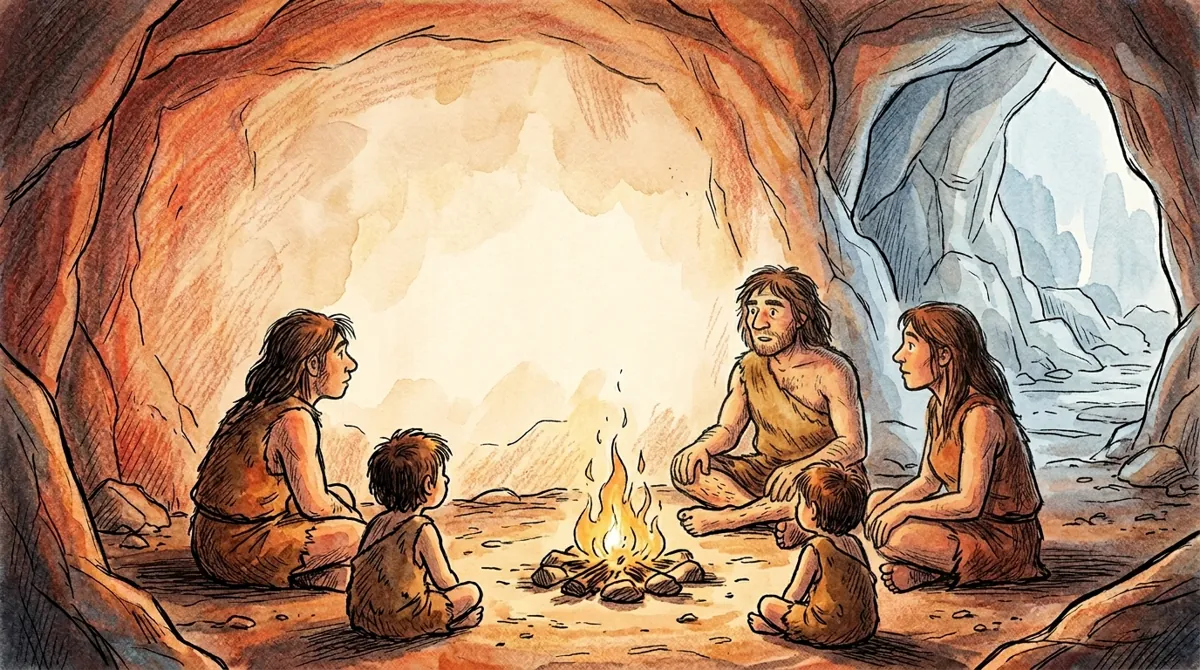
How We Know When Humans First Wore Clothes (Thanks to Lice)
Clothing rots away, so we date its origin from the DNA of body lice, which only live in clothing. The answer is surprisingly early, well before humans left Africa.
The First Word: The Search for the Origin of Language
Language may be our defining trait, yet it leaves no fossils. Scientists reconstruct its origin from anatomy, the FOXP2 gene, and the first symbolic art.
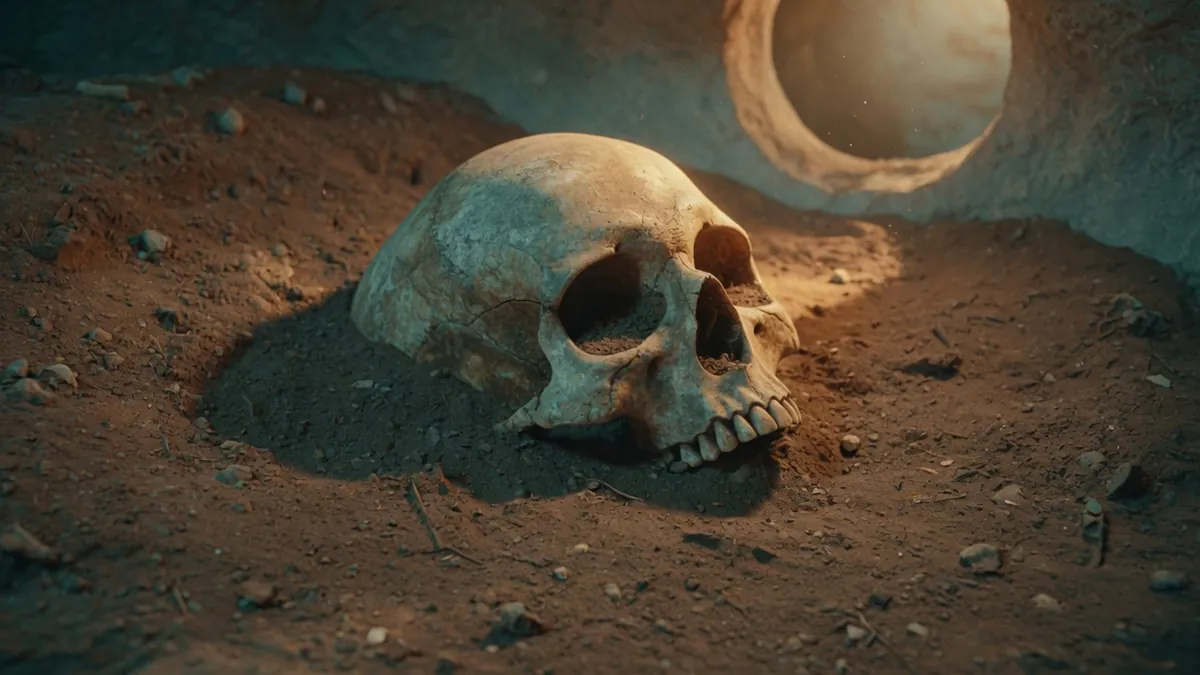
They Opened Skulls in the Stone Age — And the Patients Lived
Stone Age people practiced real surgery: healed trepanation, a 31,000-year-old amputation in Borneo, and Neanderthal care for the injured—skill and mercy written in bone.

The Real Hobbits: Homo floresiensis and the Island That Shrank Humans
Homo floresiensis, the 'real hobbits' of Flores, were a one-meter-tall human species that made tools and hunted dwarf elephants until about 50,000 years ago.

The Denisovans: The Ghost Human Species Hiding in Your DNA
The Denisovans were a human species found from a finger bone and known mostly from DNA, until the Dragon Man skull gave them a face. They still live on in living people's
When the Human Population Dropped to Near Zero: A Survival Story
Genetics suggests our ancestors once crashed to a tiny breeding population — perhaps just over a thousand individuals — and clung on for thousands of generations. The con
Ancient Weapons: Myth vs. Reality
Placeholder for Episode 007 detailing myths and realities of ancient weaponry from the Roman Gladius to the Egyptian Khopesh.
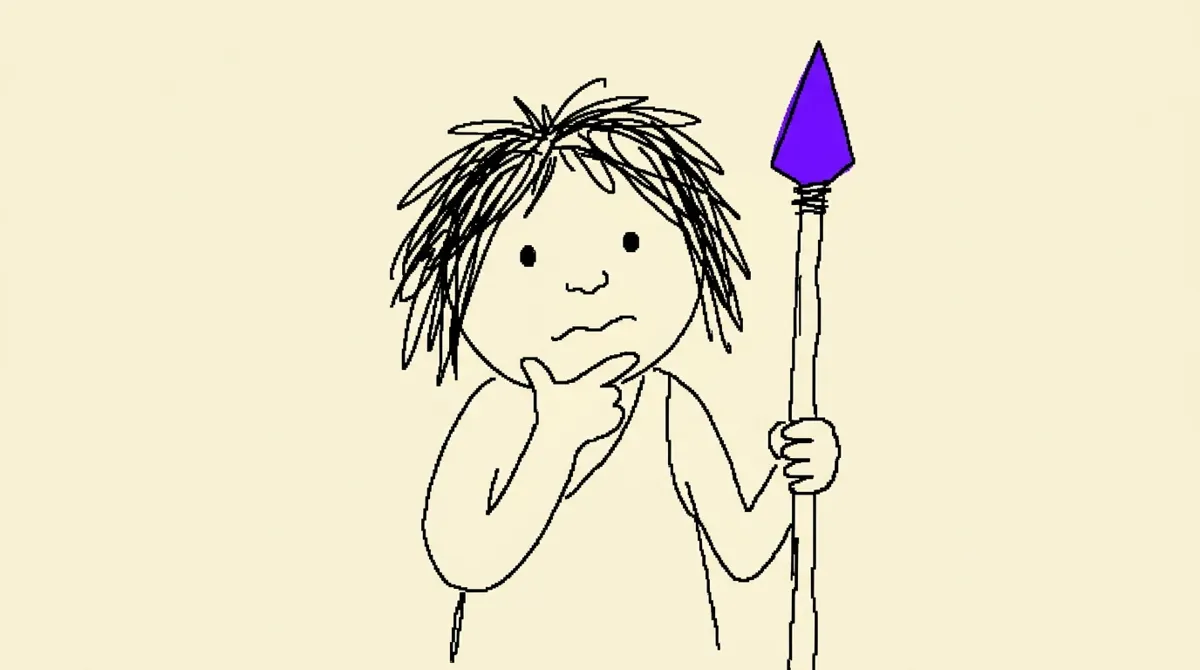
Did Neanderthals Invent Advanced Weaponry?
Were Neanderthals and early humans primitive brutes — or engineers? The physics of the Schöningen spears, hafted points, birch-tar glue and the atlatl say otherwise.
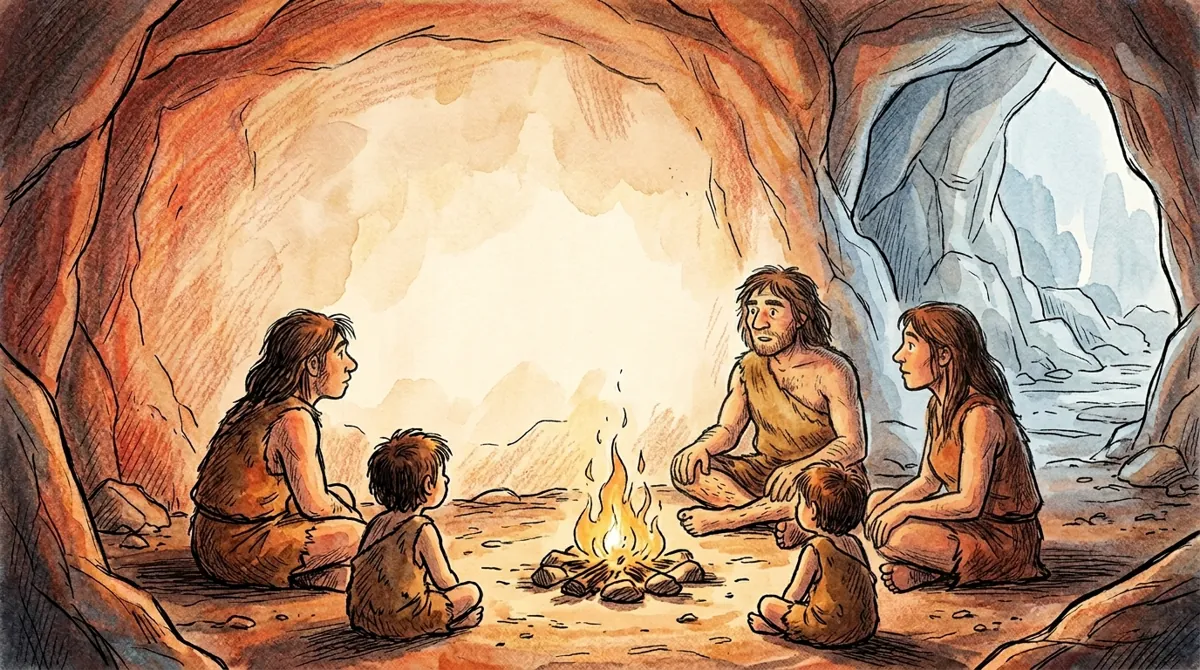
The Darkest Day in Human History: How We Survived the Toba Supereruption
Around 74,000 years ago, Sumatra's Mount Toba erupted in a global cataclysm that almost ended humanity. We explore the bottleneck and the coastal refuge.
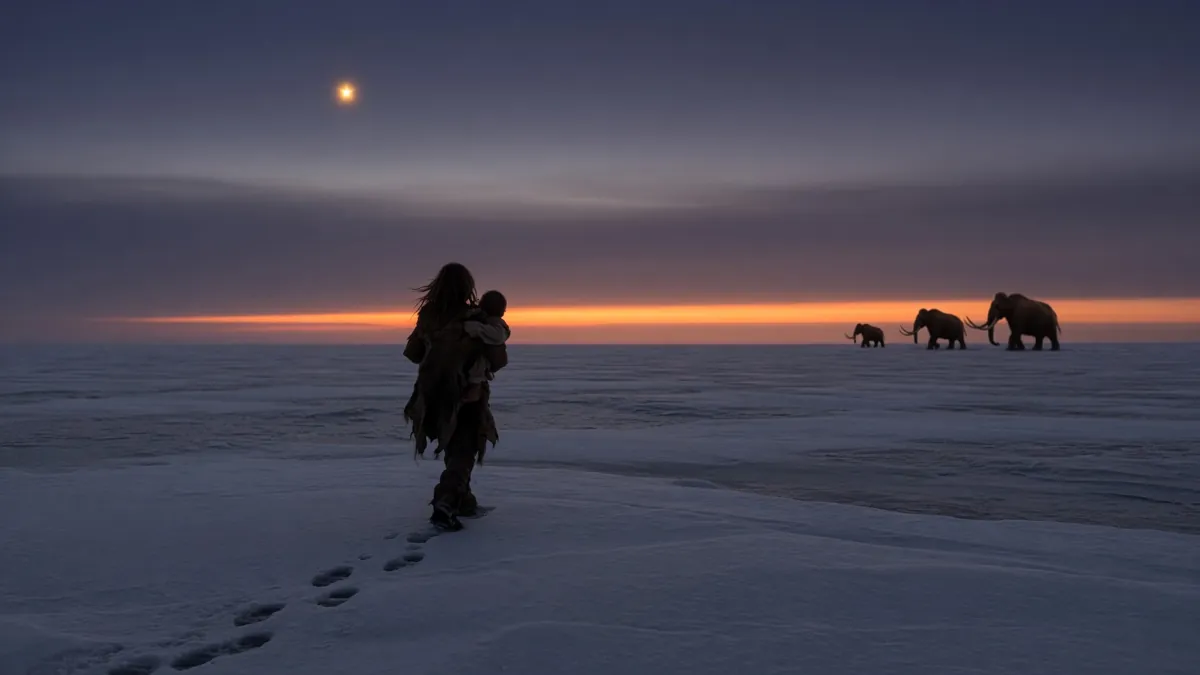
Someone Carried a Child Across Ice Age America 23,000 Years Ago
Fossil footprints at White Sands, New Mexico — including a trackway of someone carrying a child — are dated to ~23,000 years ago, thousands of years before humans were th