Imagine surviving brain surgery — and then imagine doing it thousands of years before anyone had anesthesia. There were no painkillers, no antibiotics, and no hospital waiting room: only stone tools, steady hands, and a kind of nerve that is hard to picture. And yet this was not a one-off miracle. Across the ancient world, people kept doing it again and again. The real story of Stone Age surgery is not a myth and not a horror film. It is a story written in bone.
This print version accompanies the Echoes of Dawn documentary episode of the same name: evidence-based paleoanthropology on trepanation, the oldest known surgical amputation, and the deep history of care.
Holes in living skulls
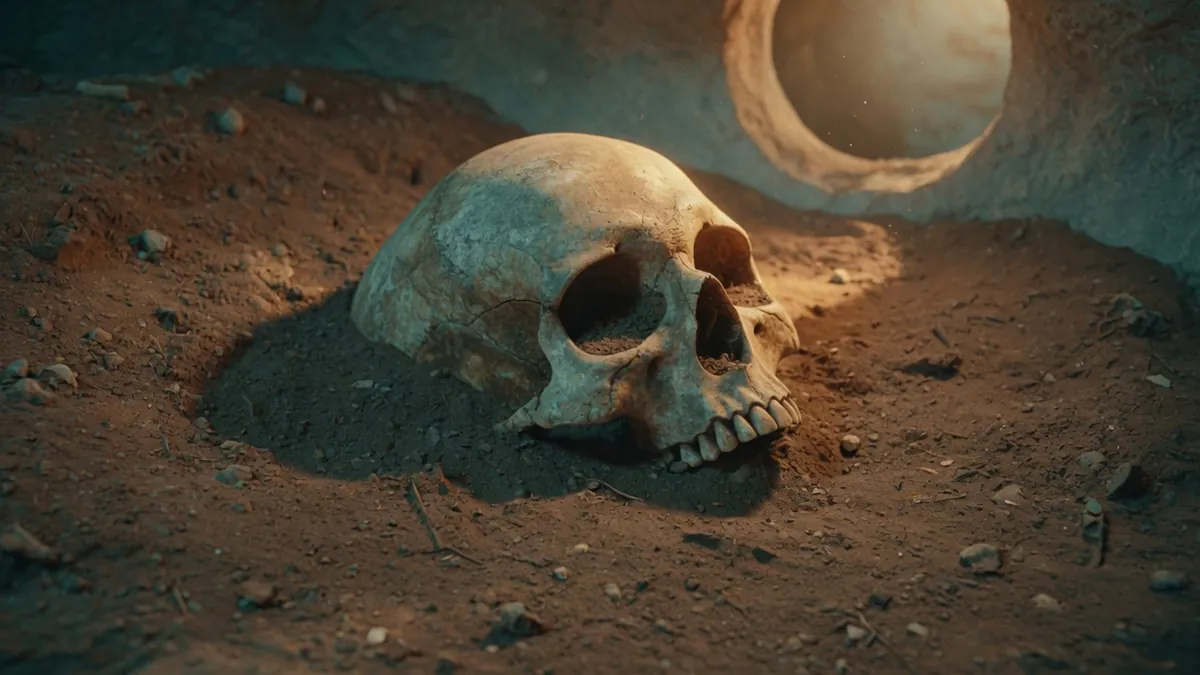
Archaeologists keep finding ancient skulls with openings cut cleanly into the vault of the head. The procedure has a name — trepanation — and it means someone opened a living skull on purpose. The first reaction is natural: that should have been a death sentence.
Then one quiet detail stops the whole story cold. Around many of those openings, the bone did not stay sharp and fresh. It grew back. The edges are smooth and rounded, remodeled the way living bone repairs itself after an injury. Bone only heals that way if the person is still alive long enough for the repair to finish. Which means the patient did not simply die the moment the cut was made. They lived afterward — for months, and in some cases for years after the surgery.
Some skulls even show more than one opening, each healed at a different stage of remodeling. That points to the same person going through the operation more than once, and still walking away from it. Why do it at all? Maybe to relieve pressure after a blow to the head, maybe for pain, maybe for beliefs and rituals we can only partly recover. The motive is still debated. The survival is not. These were not corpses on a table. They were patients who made it.
The Borneo amputation
Skull surgery is only the opening chapter. In a cave in Borneo, a single skeleton quietly rewrote what we thought was possible in the deep past. It belonged to a young person who died about thirty-one thousand years ago — long before cities, metal, or written manuals.
Their lower leg was missing, and the pattern does not look like an animal bite or a random break from a fall. It looks like a clean, deliberate removal — an amputation carried out by another human hand. The cut end had healed over: smooth, rounded, and remodeled — the signature of survival after the operation. So the patient did not only endure the moment of surgery; they lived for years afterward.
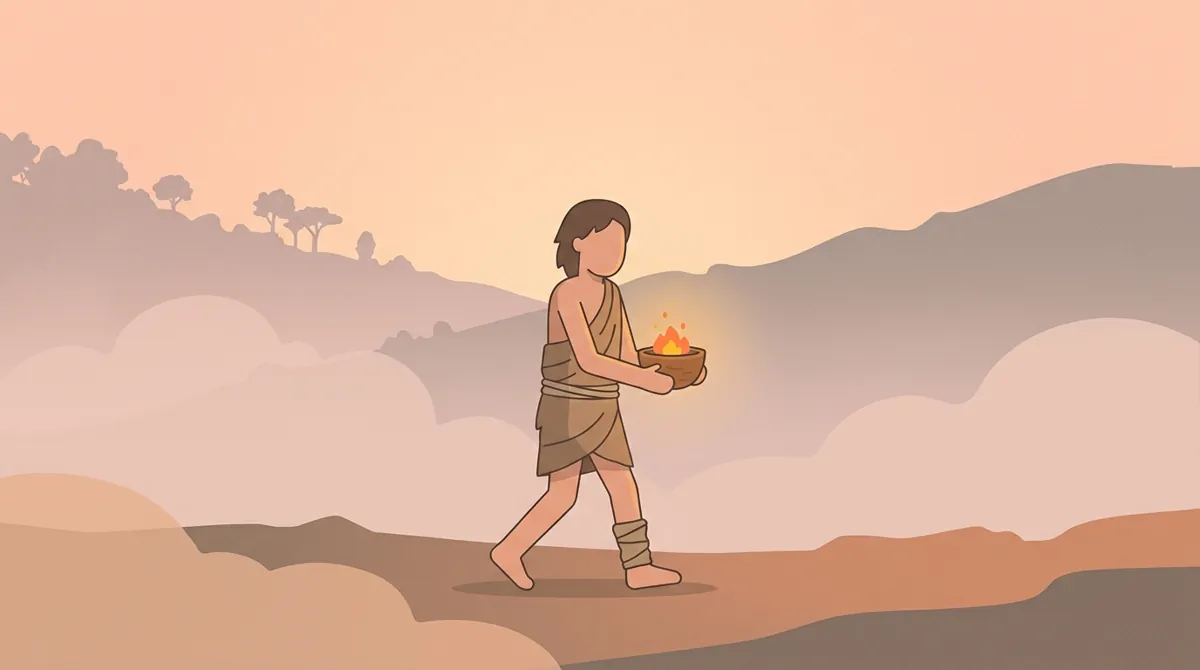
That success is almost more impressive than the cut itself. Someone had to know where to cut so they would not kill the person on the ground. Someone had to control bleeding, keep the wound as clean as possible, and fight infection for weeks. And the community still had to care for a person who could no longer walk or hunt the way they used to. That is not a lucky accident. That is medicine — and a social network holding the patient up.
The key study is Maloney et al. (2022) in Nature: surgical amputation of a limb about 31,000 years ago in Borneo, with clear evidence of healing.
Shanidar One and the care that came after
The deepest part of this story is not the blade. It is the care that came after the crisis. Meet a Neanderthal we call Shanidar One, named for the cave where his bones were found. His skeleton reads like a ledger of a hard, painful life written over many seasons.
He had survived a crushing blow to the side of the head that likely left him blind in one eye. One arm was withered and nearly useless, and may even have been lost below the elbow. His legs carried damage severe enough that every step would have been a negotiation with pain. And still he survived — not for days, but for years after those injuries stacked up.
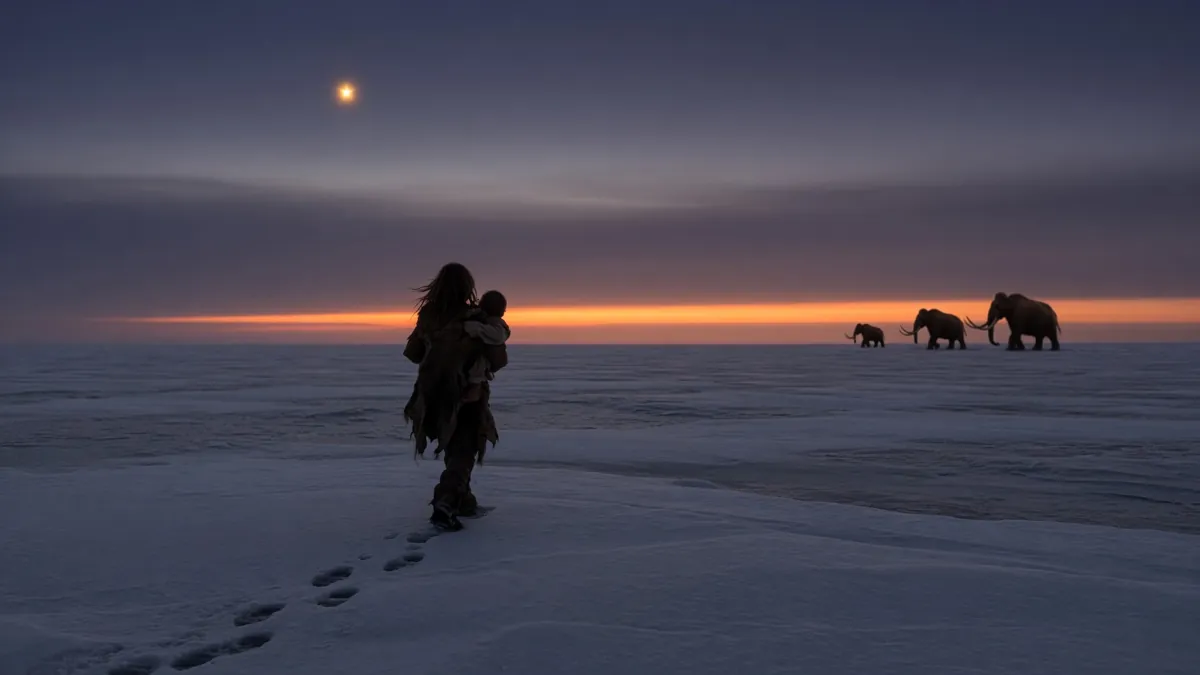
How does a half-blind, one-armed, limping man last for years in a world that does not forgive weakness? Alone, he could not have done it for long. The math of calories, cold, and predators does not allow it. Which means his people made a choice: they kept him. They shared food, sheltered him, and waited when he moved more slowly. In the end, his broken body is less a tragedy report than a monument to their kindness.
Medicine in the teeth
Their medicine may have gone further still — beyond blades, bandages, and patient waiting. Hardened plaque traps microscopic traces of whatever a person put in their mouth. In some Neanderthal calculus, scientists found plant residues with almost no food value: bitter plants linked to pain relief and fighting inflammation. They may have been chewing them on purpose — pharmacists without shops, doctors without white coats, working with what the landscape offered.
Work on plant compounds in Neanderthal dental calculus includes Hardy et al. (2012) on material from El Sidrón.
What the bones ask us to remember
When you put the whole picture together, the Stone Age stops looking like a cartoon of pure brutality. You see people who opened skulls, removed limbs, and still found ways to keep patients alive. You see groups who carried the sick and the broken for years, not because it was convenient, but because they chose to. The deep past was not only about survival. It was also the origin of surgery — and of mercy.
The next time someone calls ancient humans “primitive,” show them a healed skull. That is skill, that is care, and that is us.
Sources & further reading
- Maloney, T. R. et al. (2022). “Surgical amputation of a limb 31,000 years ago in Borneo.” Nature 609.
- Reviews of prehistoric trepanation and survival rates (e.g. Neolithic Europe; skulls with healed bone margins).
- Trinkaus, E. and related work on Shanidar 1: a Neanderthal who survived severe injuries and disability, implying group care.
- Hardy, K. et al. (2012). Plant compounds (including possible medicinal) in Neanderthal dental calculus, El Sidrón. Naturwissenschaften.
- Reviews of compassion and care in the human and Neanderthal fossil record.
Intent behind trepanation (medical vs ritual) varied and is debated; survival is inferred from bone healing. The “caring Neanderthal” interpretation is strong but not unanimous. This article does not sensationalize suffering — the story is skill and care.
Echoes of Dawn — the story of us, before history was written. Watch the episode on YouTube (private draft until published) · @EoDawn.